Appointments Required
To give every patient our full care, we cannot take walk-ins.
Please schedule your visit.
Please schedule your visit.

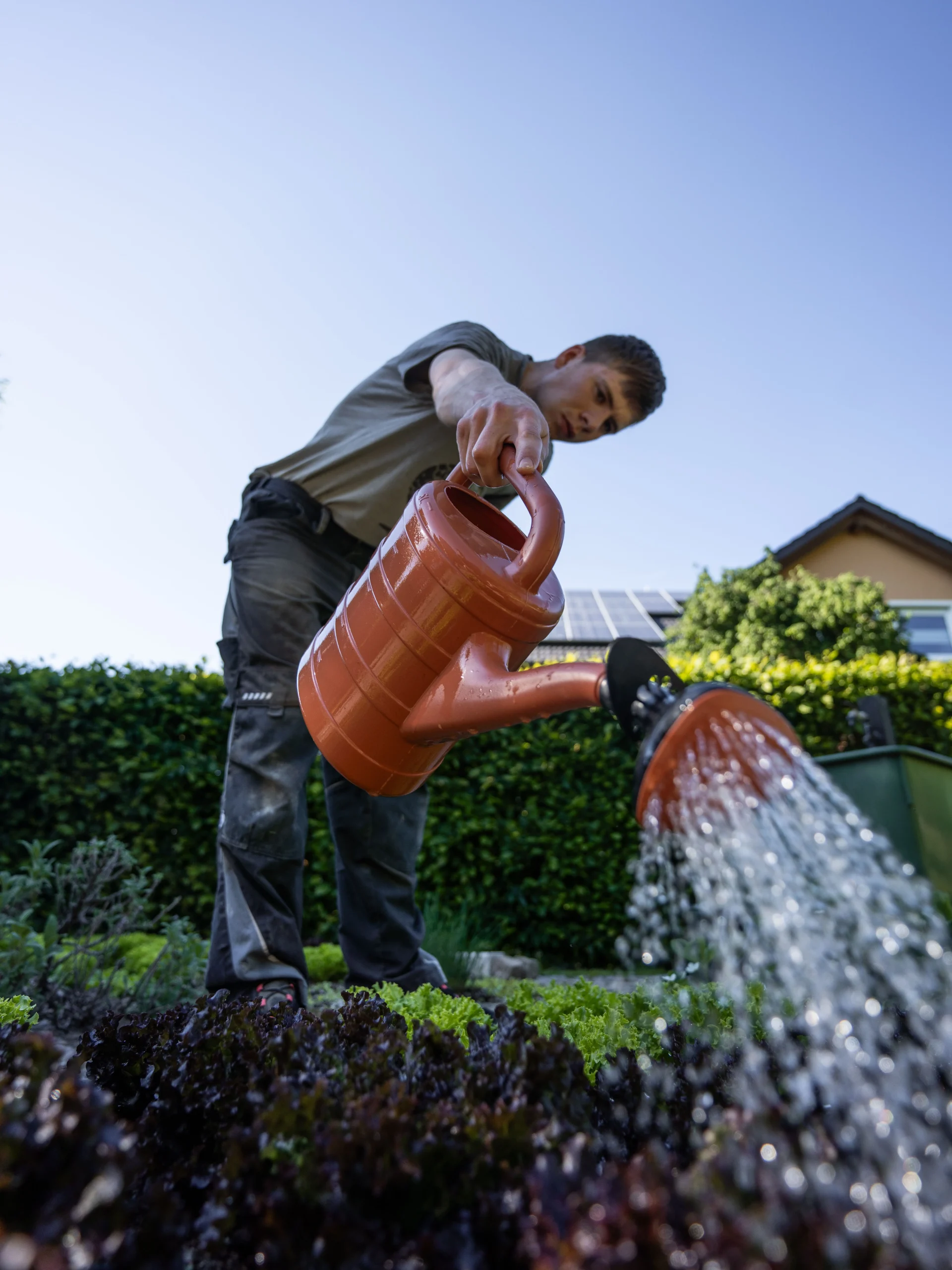
If you have experienced back pain after gardening, you’re certainly not alone. A few hours of digging, weeding, pruning, raking or lifting can leave your lower back feeling stiff, sore or surprisingly painful.
Gardening involves many movements that are easy to underestimate. You might spend a long time bent forward pulling weeds, repeatedly twist while moving soil, or lift a heavy pot after already becoming tired. The problem is often not one particular movement, but a combination of repetitive movement, sustained positions and doing more physical work than your body is used to.
The good news is that most uncomplicated episodes of lower back pain improve with time and appropriate activity. Rather than avoiding movement altogether, it is usually better to modify aggravating activities and gradually return to normal movement.
Gardening can be surprisingly demanding on the body. Unlike walking or many everyday activities, gardening often involves spending extended periods bending, reaching, lifting and working close to the ground.
Pulling weeds, planting seedlings and working in garden beds can require you to stay bent forward for extended periods.
Your back is designed to move, but holding one position for a long time can make the surrounding muscles and joints feel stiff or uncomfortable. Repeated bending can also become more demanding as the gardening session continues and you become fatigued.
Garden pots, bags of soil, rocks, garden equipment and buckets can all be surprisingly heavy.
The difficulty isn’t only the weight. An awkward object that is held away from your body can be more challenging to control, particularly if you are lifting it while twisting.
Safe lifting strategies include getting close to the object, avoiding unnecessary twisting and asking for help when something is too heavy or awkward to move safely. Healthdirect also recommends squatting down, keeping a heavy object close to your body and lifting with your legs.
One of the biggest contributors to back pain after gardening may simply be doing more physical activity than your body is accustomed to.
Perhaps you normally spend little time doing physical work but decide to spend an entire Saturday clearing the garden.
Your back may tolerate a small amount of digging, lifting and bending without a problem. Several hours of the same activities, however, can be a very different workload.
A sudden increase in physical activity can contribute to back pain and other overuse problems.
Gardening rarely involves just one movement.
You might:
Individually, these movements are generally normal. Repeating them for a long period without changing position or taking a break can make the session much more physically demanding.
This is why rotating between different gardening tasks can be useful. The Better Health Channel recommends avoiding long gardening sessions and rotating tasks to reduce repetitive movements.
Gardening-related back pain can vary considerably.
You may notice:
Back injuries can involve muscles, ligaments, joints, discs or nerves, so the symptoms alone cannot always tell you exactly what structure is responsible.
If pain is severe, persistent, repeatedly returning or affecting your normal activities, an appropriate healthcare professional can assess your symptoms and determine whether further investigation or treatment is required.
If your back becomes sore after gardening, the first instinct may be to lie down and avoid moving.
For most uncomplicated back pain, prolonged bed rest is not recommended. Australian health guidance encourages people to remain gently active and gradually return to normal activities rather than resting for extended periods.
This doesn’t necessarily mean stopping all movement.
Instead, temporarily reduce activities that clearly aggravate your symptoms.
For example, if bending repeatedly makes your back worse, you might take a break from weeding while continuing with a gentle walk.
Walking can be a simple way to maintain movement without returning immediately to heavy gardening.
As your symptoms settle, gradually increase your normal activities rather than trying to complete another large gardening session immediately.
A heat pack may help some people with back pain by reducing discomfort and helping muscles relax. Healthdirect lists heat as one of the self-care options for non-specific low back pain.
If your back is still painful, jumping straight back into moving bags of soil or heavy pots may aggravate the problem.
Start with easier activities and gradually increase the amount of work you do as your symptoms allow.
You don’t have to give up gardening to protect your back.
A few simple changes can make a long gardening session more manageable.
Instead of trying to finish everything in one afternoon, divide the work over several shorter sessions.
The Better Health Channel specifically recommends avoiding long gardening sessions and taking regular breaks.
This can be particularly useful if you haven’t done much physical activity recently.
Rather than spending an hour continuously digging, rotate between tasks.
For example:
Changing activities reduces the amount of time you spend repeating exactly the same movement.
Long-handled gardening tools can reduce how much you need to bend or reach.
Choose tools that are appropriate for the job and comfortable for you to use. Better Health Channel recommends using the right tool and making sure it is appropriately sized for the person using it.
Before lifting a pot, bag or other garden object, consider whether you actually need to lift it yourself.
If it is particularly heavy or awkward, ask someone for help.
When you do lift something, get close to it, avoid twisting while carrying it and keep the load close to your body.
Your technique can change when you become tired.
That heavy pot that felt manageable at the beginning of the afternoon may feel very different after several hours of digging and lifting.
Taking a break before you become exhausted is often more practical than waiting until your back starts hurting.
Regular physical activity outside of gardening can help you build the strength and movement capacity needed for everyday physical tasks.
Walking, strengthening exercises and other forms of regular exercise can contribute to maintaining back function.
You don’t need to perform a complicated “gardening workout”. The bigger goal is to avoid going from very little physical activity to several hours of demanding work in one session.
Not necessarily.
Experiencing pain after gardening does not automatically mean that your spine has been damaged.
Back pain is common, and many episodes are non-specific. In many cases, the exact structure responsible for the pain cannot be identified from symptoms alone, and most people recover without requiring extensive investigations.
It is therefore better to think about gardening as a physical activity that your body may need to adapt to, rather than assuming that one particular movement has “damaged” your back.
If you repeatedly develop pain whenever you garden, however, it is worth having the problem assessed rather than simply pushing through each episode.
Most minor episodes improve with time, but not every episode of back pain should simply be managed at home.
Consider seeking professional assessment if:
Healthdirect recommends medical assessment when back pain does not improve, becomes worse or significantly affects normal activities.
Back pain should be assessed urgently if it occurs with symptoms such as:
These symptoms can indicate a problem requiring urgent medical assessment.
If you have these symptoms, don’t assume that the pain is simply from gardening.
If your back pain persists, keeps returning or is affecting your ability to move normally, an assessment can help determine what may be contributing to your symptoms.
A chiropractor may assess your history, spinal and joint movement, muscle function and the activities that aggravate your symptoms. Depending on the individual situation, management may include manual therapy, exercise or mobility advice, activity modification and education.
Chiropractic care is not appropriate for every cause of back pain, which is why an individual assessment is important.
At Angel Chiropractic in Annerley, Brisbane, back pain is assessed on an individual basis. If you would like professional advice about persistent or recurring back pain after gardening, you can contact Angel Chiropractic to arrange an assessment.
Back pain after gardening is often related to a combination of bending, lifting, repetitive movements, sustained positions and doing more physical work than your body is accustomed to.
The solution isn’t necessarily to stop gardening.
Instead, try making the workload more manageable:
If your pain persists, keeps returning or is accompanied by concerning symptoms, seek appropriate professional assessment.
For Brisbane residents looking for assessment of ongoing or recurring back pain, Angel Chiropractic is located in Annerley and provides individualised chiropractic care alongside advice about movement and activity.
Yes. Gardening can involve prolonged bending, lifting, twisting and repetitive movements. Long gardening sessions or a sudden increase in physical workload may contribute to back pain.
Weeding commonly involves spending time bent forward and repeatedly reaching or pulling. If you do this for an extended period, your back may become sore or stiff. Taking regular breaks and changing tasks can help reduce repetitive loading.
For most uncomplicated back pain, prolonged bed rest is not recommended. Gentle movement and gradually returning to normal activities are generally encouraged, while temporarily reducing activities that significantly aggravate your symptoms.
Break gardening into shorter sessions, rotate between different tasks, take regular breaks, use suitable tools and avoid lifting objects that are too heavy or awkward. Regular physical activity can also help maintain back strength and mobility.
Consider professional assessment if your pain is persistent, keeps returning, limits your normal activities or is associated with symptoms such as leg pain, numbness or weakness. A healthcare professional can assess whether chiropractic care is appropriate for your particular situation.
To Find out more:
Queensland Health – Healthy Spine Service:
Queensland Health – Advice for Managing Low Back Pain
Healthdirect Australia – Low back pain:
Healthdirect – Low back pain
Healthdirect Australia – Back injuries:
Healthdirect – Back injuries
Better Health Channel – Gardening safety:
Better Health Channel – Gardening safety
Discover our other blog posts on our [Blog Hub].

Justice of the Peace
(Qua)
I had an amazing experience with Angel . From the moment I walked in, I felt welcomed and comfortable. Angle took the time to listen to my concerns and thoroughly explained the treatment plan. The adjustments were gentle yet effective, and I noticed a significant improvement in my pain after just a few sessions. The staff is also incredibly friendly and professional, making each visit a pleasure. I highly recommend Angel to anyone seeking top-notch chiropractic care!